Uruguay, located in South America, is a vibrant country with a rich and diverse culture
shaped by its ethnic diversity, colonial history, and local traditions. This cultural
richness is reflected in various aspects of daily life, including clothing, food, arts and
crafts, music and dance, and the growing film industry. Below is an overview of these
elements:
 Traditional Clothing and Attire:
Uruguayan traditional clothing showcases a rich tapestry of cultural influences, prominently
featuring the gaucho outfit. This iconic attire includes bombachas (baggy trousers), leather
boots, and wide-brimmed hats, embodying the spirit of the country's rural heritage. The gaucho,
a symbol of national identity, represents the country’s cowboy culture, particularly in the
interior regions. During special occasions, such as the Fiesta de la Patria Gaucha, men and
women dress in these traditional outfits, celebrating their historical roots. In coastal areas,
attire often reflects Mediterranean influences, with lighter fabrics and colorful designs being
popular among women. Accessories like silver jewelry and handwoven shawls enhance these
traditional garments, often showcasing intricate craftsmanship. The continued use of traditional
clothing in festivals highlights Uruguay’s commitment to preserving its cultural identity.
Traditional Clothing and Attire:
Uruguayan traditional clothing showcases a rich tapestry of cultural influences, prominently
featuring the gaucho outfit. This iconic attire includes bombachas (baggy trousers), leather
boots, and wide-brimmed hats, embodying the spirit of the country's rural heritage. The gaucho,
a symbol of national identity, represents the country’s cowboy culture, particularly in the
interior regions. During special occasions, such as the Fiesta de la Patria Gaucha, men and
women dress in these traditional outfits, celebrating their historical roots. In coastal areas,
attire often reflects Mediterranean influences, with lighter fabrics and colorful designs being
popular among women. Accessories like silver jewelry and handwoven shawls enhance these
traditional garments, often showcasing intricate craftsmanship. The continued use of traditional
clothing in festivals highlights Uruguay’s commitment to preserving its cultural identity.
 Language and Literature:
Spanish is the official language of Uruguay, but the linguistic landscape is enriched by
influences from indigenous languages and Italian, reflecting the country’s immigrant history.
The literary scene in Uruguay is vibrant and diverse, boasting a legacy of esteemed authors such
as Mario Benedetti, whose works explore themes of love, loss, and social justice. The Montevideo
International Book Fair is a major event that promotes local and international literature,
attracting thousands of visitors and fostering a love for reading among citizens. Contemporary
writers like Mariana Enriquez and Cristina Peri Rossi continue to gain recognition, delving into
contemporary issues such as identity and memory. The presence of literary magazines and local
publishing houses encourages emerging voices, ensuring a dynamic and evolving literary landscape
that resonates with the nation’s cultural pulse.
Language and Literature:
Spanish is the official language of Uruguay, but the linguistic landscape is enriched by
influences from indigenous languages and Italian, reflecting the country’s immigrant history.
The literary scene in Uruguay is vibrant and diverse, boasting a legacy of esteemed authors such
as Mario Benedetti, whose works explore themes of love, loss, and social justice. The Montevideo
International Book Fair is a major event that promotes local and international literature,
attracting thousands of visitors and fostering a love for reading among citizens. Contemporary
writers like Mariana Enriquez and Cristina Peri Rossi continue to gain recognition, delving into
contemporary issues such as identity and memory. The presence of literary magazines and local
publishing houses encourages emerging voices, ensuring a dynamic and evolving literary landscape
that resonates with the nation’s cultural pulse.
 Music and Dance:
Uruguay's music scene is a vibrant reflection of its multicultural heritage. Candombe,
characterized by its rhythmic drumming and lively dance, is a cornerstone of Afro-Uruguayan
culture. This unique musical style is celebrated during the annual Candombe Festival, where
communities come together to honor their roots through music and movement. Tango, which
originated in the working-class neighborhoods of Montevideo and Buenos Aires, is another
cultural treasure, blending passion and artistry. The annual Montevideo Tango Festival draws
dancers and enthusiasts from around the globe, showcasing performances that celebrate the depth
of emotion inherent in this art form. Additionally, genres such as Murga—a theatrical form of
music combining satire and humor—add to the diversity of the Uruguayan soundscape. Rock, pop,
and electronic music have gained popularity in recent years, with local artists contributing to
a thriving contemporary music scene that continues to evolve while respecting traditional roots.
Music and Dance:
Uruguay's music scene is a vibrant reflection of its multicultural heritage. Candombe,
characterized by its rhythmic drumming and lively dance, is a cornerstone of Afro-Uruguayan
culture. This unique musical style is celebrated during the annual Candombe Festival, where
communities come together to honor their roots through music and movement. Tango, which
originated in the working-class neighborhoods of Montevideo and Buenos Aires, is another
cultural treasure, blending passion and artistry. The annual Montevideo Tango Festival draws
dancers and enthusiasts from around the globe, showcasing performances that celebrate the depth
of emotion inherent in this art form. Additionally, genres such as Murga—a theatrical form of
music combining satire and humor—add to the diversity of the Uruguayan soundscape. Rock, pop,
and electronic music have gained popularity in recent years, with local artists contributing to
a thriving contemporary music scene that continues to evolve while respecting traditional roots.
 Ceremonies and Festivals:
Uruguay is renowned for its lively festivals, each celebrating different facets of its rich
cultural heritage. Carnival, one of the most famous festivals, lasts for about 40 days,
featuring parades filled with colorful floats, intricate costumes, and spirited street
performances. The atmosphere is electric, with thousands participating in the festivities that
honor both Afro-Uruguayan and European traditions. The Festival Internacional de Jazz showcases
the country's jazz talent, featuring both local and international musicians, while Noche de la
Nostalgia on August 24th is a unique event where Uruguayans come together to celebrate music
from their past, dancing the night away to beloved classics. Additionally, the Fiesta de la
Patria Gaucha in Tacuarembó honors the gaucho culture with rodeos, folkloric music, traditional
food, and displays of horsemanship, fostering a deep sense of national pride and community.
Ceremonies and Festivals:
Uruguay is renowned for its lively festivals, each celebrating different facets of its rich
cultural heritage. Carnival, one of the most famous festivals, lasts for about 40 days,
featuring parades filled with colorful floats, intricate costumes, and spirited street
performances. The atmosphere is electric, with thousands participating in the festivities that
honor both Afro-Uruguayan and European traditions. The Festival Internacional de Jazz showcases
the country's jazz talent, featuring both local and international musicians, while Noche de la
Nostalgia on August 24th is a unique event where Uruguayans come together to celebrate music
from their past, dancing the night away to beloved classics. Additionally, the Fiesta de la
Patria Gaucha in Tacuarembó honors the gaucho culture with rodeos, folkloric music, traditional
food, and displays of horsemanship, fostering a deep sense of national pride and community.
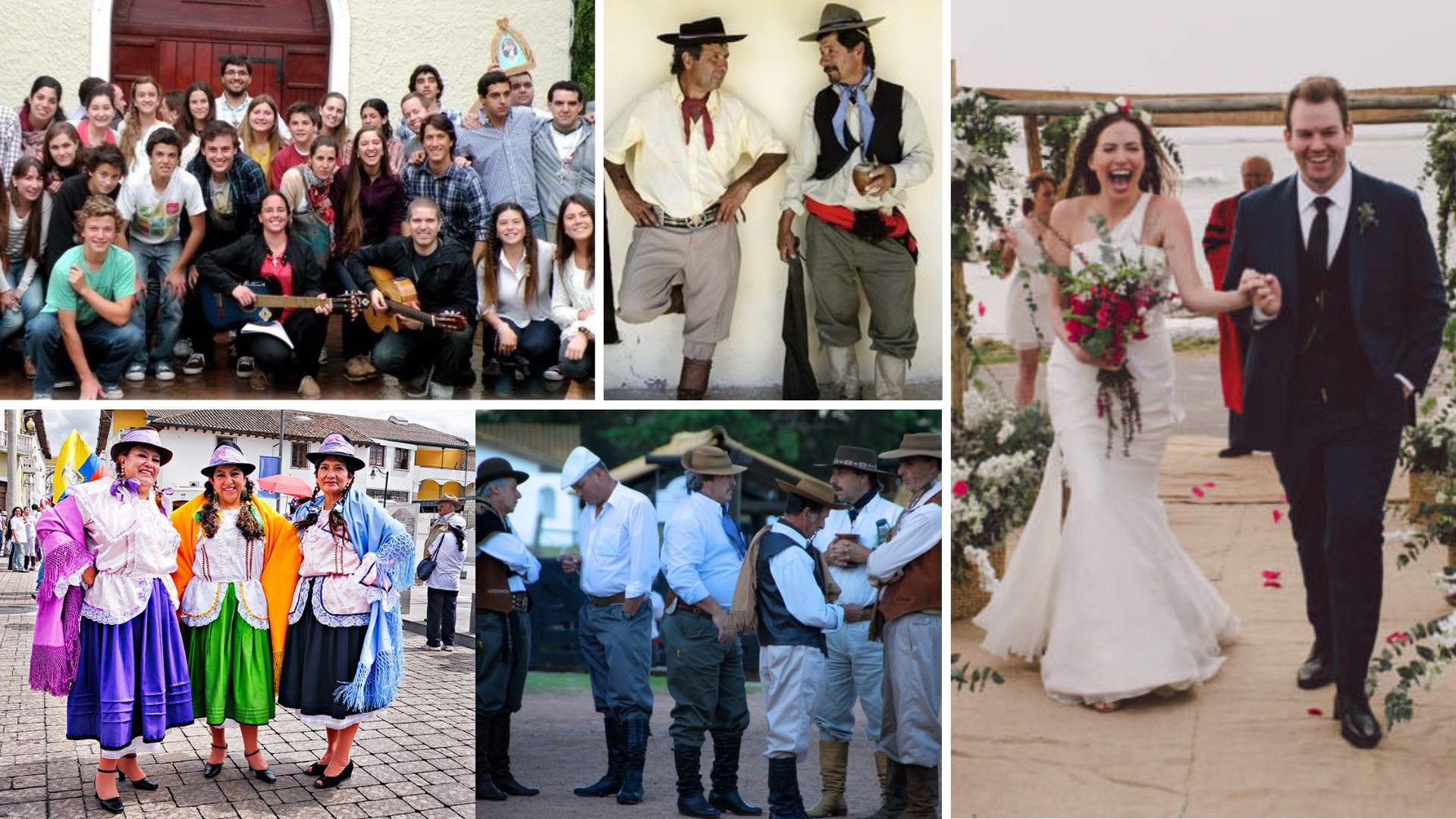
Uruguay Clothing
Uruguayan clothing today reflects modern, urban trends, but traditional garments like gaucho attire remain a cultural touchstone. Ponchos, woolen caps, and leather boots are worn during festivals and in rural areas. In urban centers like Montevideo, fashion is influenced by European styles, with contemporary designs dominating everyday attire. However, traditional clothing is still worn during national celebrations, keeping the country’s rural heritage alive. The boina, a beret-like hat, is a particularly iconic accessory for both men and women in Uruguay.

Uruguay Food
Uruguayan cuisine is a delicious blend of flavors and traditions, heavily influenced by its European immigrant population. Asado, a traditional barbecue, is not just a meal but a social event, bringing families and friends together to enjoy various cuts of meat grilled over an open flame. This culinary tradition highlights Uruguay's status as one of the top beef producers in the world, with an emphasis on quality and sustainability. Other popular dishes include chivito, a hearty sandwich filled with beef, cheese, and various toppings, and empanadas, which are savory pastries that come with a variety of fillings. Coastal regions boast fresh seafood, with dishes like pescado a la parrilla (grilled fish) being widely enjoyed.
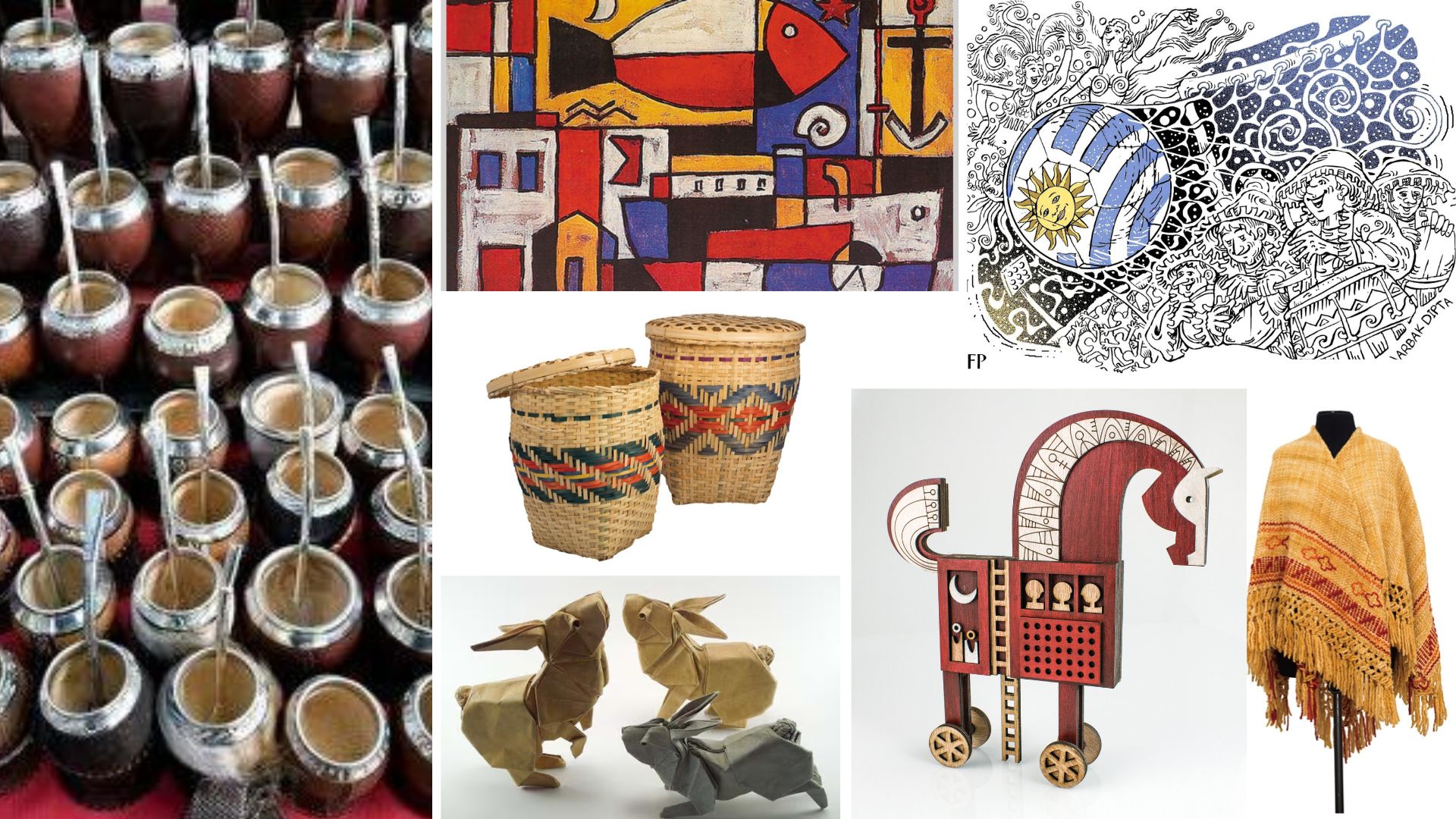
Uruguay Arts and Crafts
Uruguay’s arts and crafts scene is a testament to its rich cultural heritage, with artisans dedicated to preserving traditional techniques while also embracing contemporary styles. Craftsmanship is evident in a variety of mediums, including ceramics, leatherwork, and textiles, often featuring local designs that reflect the country’s history and natural beauty. The city of Colonia del Sacramento is particularly known for its artistic community, where visitors can explore galleries and studios that showcase unique, handmade goods. Annual craft fairs, such as the Feria de Artesanías, provide a platform for local artisans to display and sell their work, emphasizing the importance of traditional craftsmanship in Uruguayan culture. These events not

Uruguay Film Industry
The Uruguayan film industry has seen a remarkable resurgence in recent years, gaining recognition both nationally and internationally for its storytelling and artistic vision. Films like "El Baile de la Victoria," directed by Fernando Trueba, and the critically acclaimed "La Casa de Papel," which became a global phenomenon, highlight the depth of talent in the country. The Montevideo International Film Festival serves as a significant platform for showcasing local films, while also inviting international works to promote cultural exchange. The Uruguayan Film Institute plays a crucial role in supporting film production, providing funding and resources to emerging filmmakers.
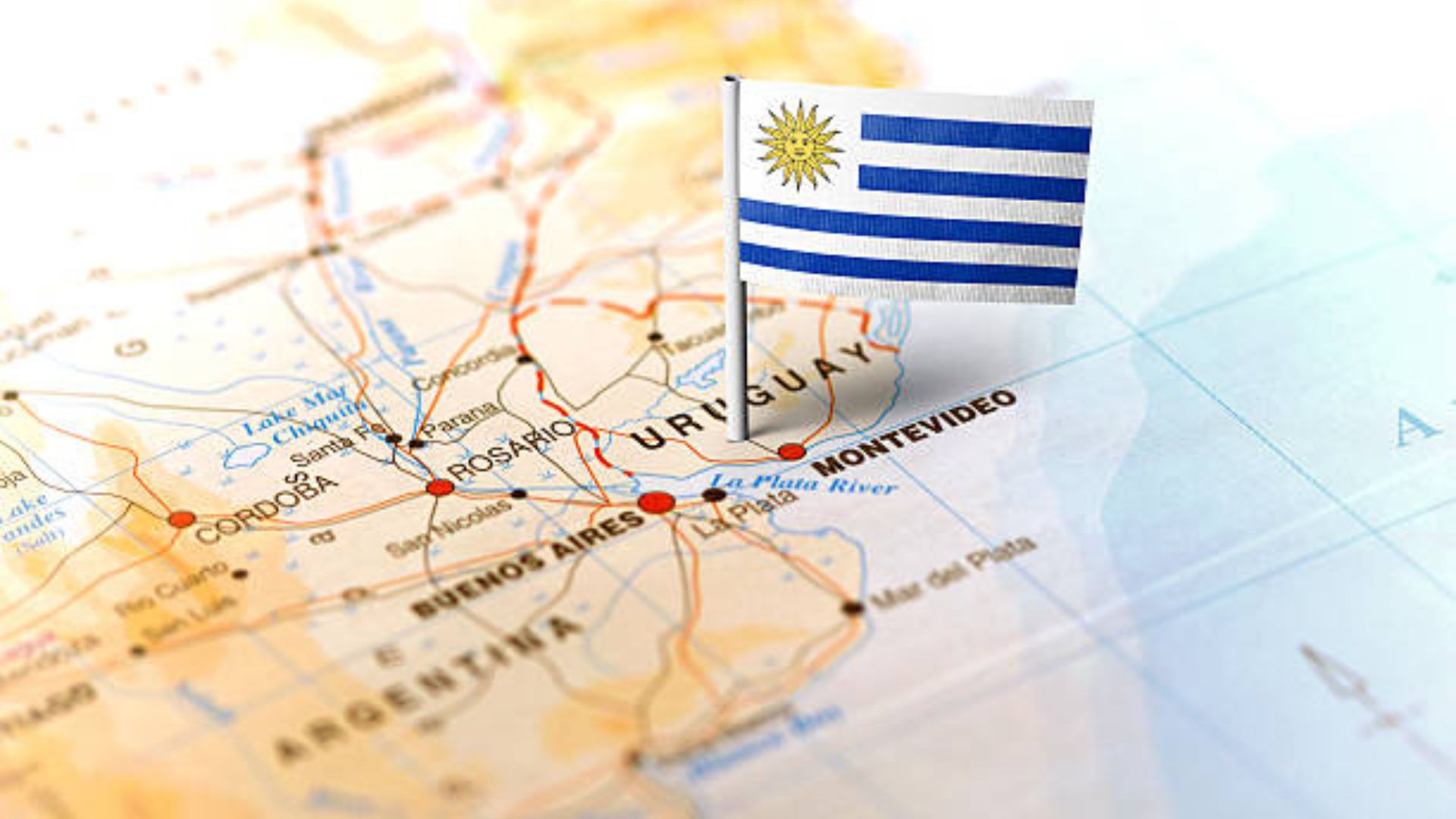
Uruguay Economy
Uruguay's economy is characterized by its stability and diversity, with agriculture serving as a cornerstone. The country is renowned for its high-quality beef and dairy products, with sustainable practices that emphasize animal welfare. Uruguay is a leading exporter of soybeans, rice, and citrus fruits, benefitting from fertile land and a favorable climate. In recent years, the government has invested heavily in renewable energy, positioning Uruguay as a leader in this sector with over 90% of its electricity generated from wind, solar, and hydropower. This commitment to sustainability extends to various industries, including technology, where startups are emerging rapidly, supported by government initiatives aimed at fostering innovation.